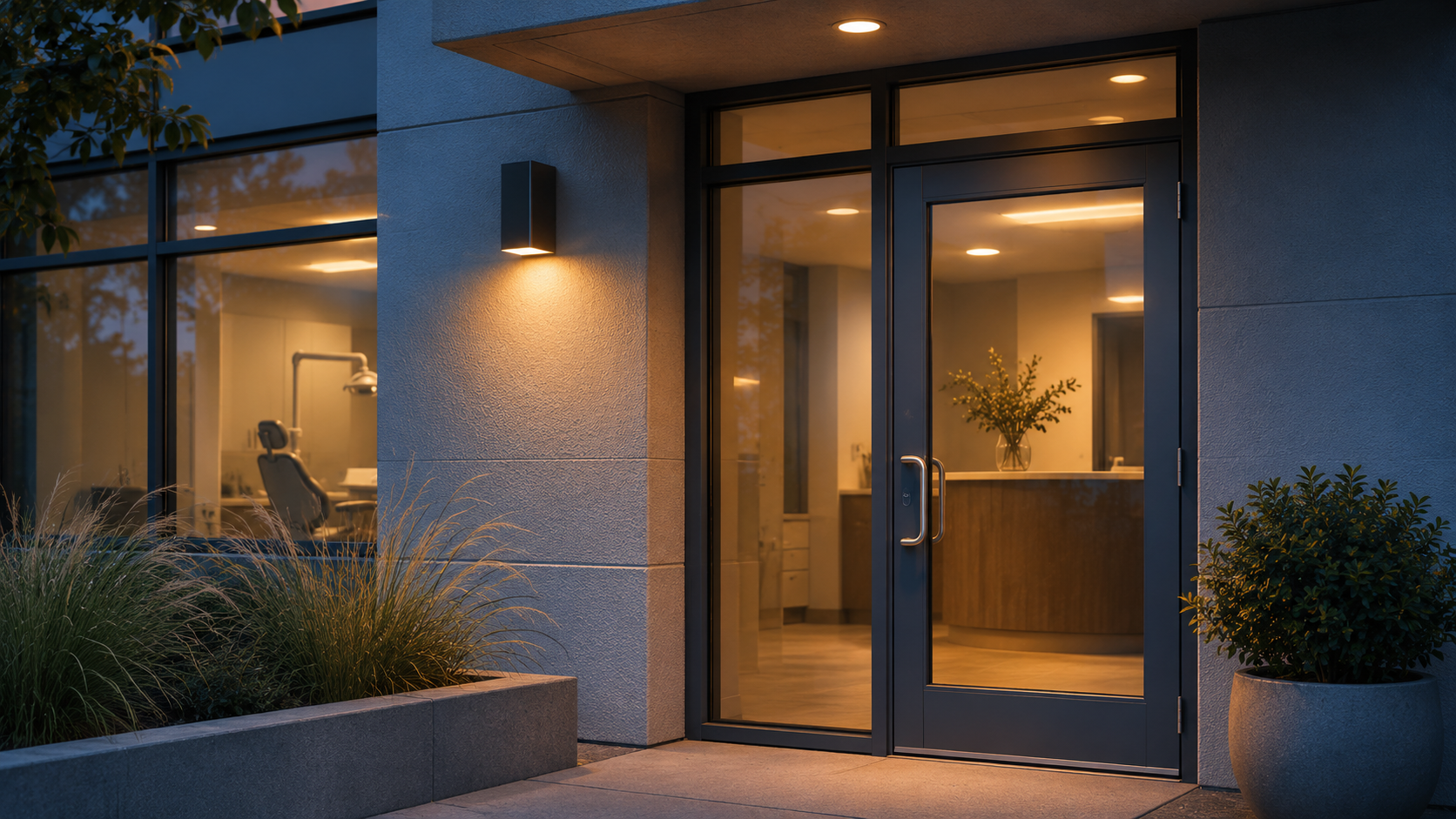
The dental office closes Wednesday afternoon for Thanksgiving. The lights go off, the phones go to voicemail, and the team will be back on Monday.
Over the long weekend, three patients call. One wants to move an appointment. Another is waiting on a treatment estimate. The third has a concern after treatment and isn't sure whether it can wait until the office reopens.
All three hear the same recorded greeting. It says the office is closed for the holiday and invites them to leave a message. Each hangs up with a different understanding of what happens next. The first assumes someone will call on Monday. The second wonders whether the estimate might still arrive before the weekend. The third doesn't know whether anyone will hear the message before the office opens again.
Nobody at the practice was careless. The greeting was recorded, the closure was announced, and the phones are working exactly as configured. What was never decided was how different kinds of requests would be handled while the office was closed.
One greeting, three situations
A voicemail greeting is usually treated as a way to say that nobody can come to the phone. During a planned closure it can do more: it can explain how the practice has arranged to receive and handle requests until it reopens.
That starts with separating situations that arrive through the same channel. The patient moving an appointment has a routine request. The patient waiting on an estimate needs a team member to pick up something already in progress. The patient with a concern after treatment needs to know where to find the practice's own approved instructions for concerns that can't wait. Those instructions are for the practice and its dentist to decide, not for whoever happens to record the greeting.
The arrangements will differ from one practice to the next. A practice may review routine messages when it reopens, handle requests already in progress through a separate process, and give a different contact route for concerns it has designated as needing a faster response. What shouldn't differ is that the arrangement is decided, and that patients don't have to infer it from a generic invitation to leave a message.
A useful greeting then states the dates the office is closed, when messages will next be reviewed, and where callers should turn for concerns covered by the practice's instructions. A posted notice or website message can say the same thing. None of it needs to become a policy statement. The useful part is what a caller can act on.
With that in place, the patient moving an appointment knows when the request will be reviewed. The patient waiting on an estimate knows whether work on it pauses during the closure. The patient with a concern that may need attention sooner follows the practice's instructions instead of assuming someone is listening to voicemail. The office hasn't promised that every request will be resolved right away. It has made the next step understandable.
The first morning back
When the office reopens, someone has to review what arrived, in an agreed order, applying the distinctions the practice set before closing. Otherwise the arrangement exists only in the recording. That doesn't mean turning Monday morning into a race through voicemail. It means someone knows they own it.
There is also a smaller detail that can undo an otherwise careful arrangement. The office reopens on Monday. Staff are answering phones and seeing patients, but when a call goes unanswered, the holiday greeting is still playing. It says the office is closed until Monday, and Monday has arrived.
The message was accurate when it was recorded. Now it describes an arrangement that has ended. It can happen when switching on a holiday greeting is a task and switching it off is not assigned to anyone. The phone system has returned to normal use while one part of the patient experience is still running on last week's information.
A complete closure arrangement therefore includes a name for who restores the normal greeting and any posted notices when the office reopens. It is a small responsibility, but it closes the loop between what the practice decided and what patients are told.
Before the next closure
A planned closure gives a practice the chance to decide how patients will meet it: which kinds of requests follow which process, what patients are told, who reviews messages when operations resume, and who restores the ordinary greeting afterward. None of it requires a longer recording. It requires agreeing on the arrangement before asking patients to rely on it.
When the office closes, the greeting should reflect the decisions already made. When it reopens, it should reflect that change too.